

If you’ve only ever heard one thing about traveling in India, it probably involved the Taj Mahal. That’s exactly where the Golden Triangle begins — and where most first-time visitors to India find their footing.
The Golden Triangle connects Delhi, Agra, and Jaipur in a loop across northern India. It’s the country’s most established tourist circuit for good reason: three distinct cities, five UNESCO World Heritage Sites, centuries of history, and enough variety to keep you genuinely engaged for an entire week. Unlike planning a trip across the vast Indian subcontinent, this route is compact, well-connected, and ideal for travelers who want a meaningful India experience without complicated logistics.
Based on our experience helping international travelers plan their first trips to India, the Golden Triangle is where most choose to begin — and where many of them fall in love with the country.
Quick Answer: What Is the Golden Triangle Tour?
The Golden Triangle Tour is a three-city travel circuit connecting Delhi, Agra, and Jaipur in northern India. The three destinations form a rough triangle on the map and together cover some of India’s most iconic historical sites, including the Taj Mahal, Agra Fort, Amber Fort, Qutub Minar, and Humayun’s Tomb. Most first-time visitors complete the circuit in five to seven days. It is widely regarded as the best introduction to India for international travelers.
What Is the Golden Triangle Tour?
The Golden Triangle links three cities, each with a sharply different character.
Delhi is India’s capital — a city where Mughal monuments, British colonial architecture, and contemporary urban life coexist without apology. Humayun’s Tomb, Qutub Minar, India Gate, and the bustling lanes of Chandni Chowk all sit within the same sprawling metropolis. It’s an overwhelming city in the best possible way, and two days here sets the tone for everything that follows.
Agra lies about 230 kilometers south of Delhi. Its main attraction is the Taj Mahal — one of the world’s most visited landmarks — but Agra Fort and the abandoned Mughal city of Fatehpur Sikri (40 kilometers farther west) make the city far more than a one-monument stop.
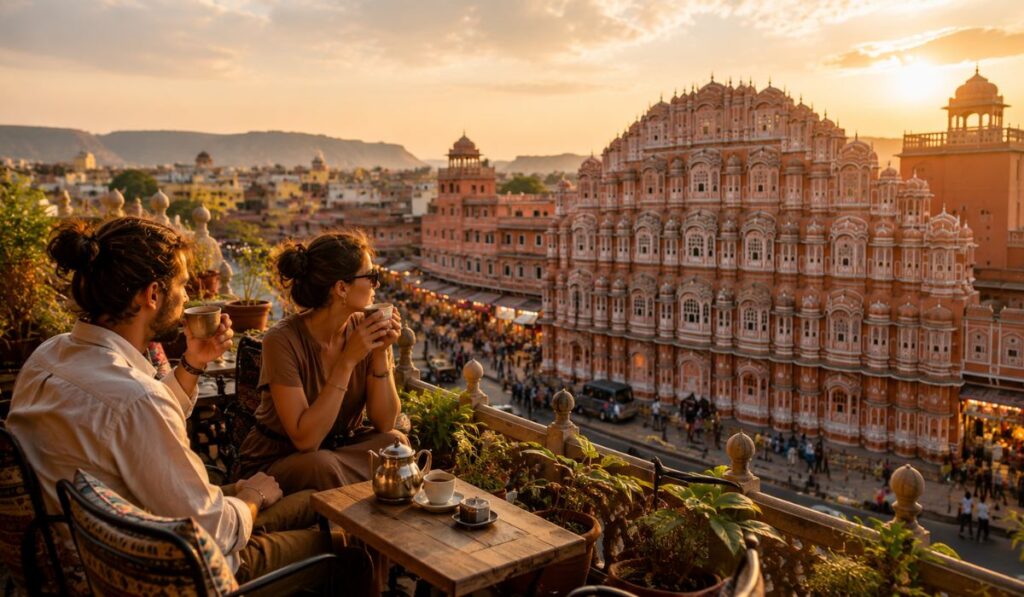
Jaipur is the capital of Rajasthan and the most visually distinctive city on the circuit. The old walled city is painted in shades of terracotta pink, while Amber Fort, the City Palace, Hawa Mahal, and Jantar Mantar easily fill two full days of sightseeing.
All three cities lie within 250 kilometers of one another. The complete circuit covers roughly 720 kilometers — compact enough to explore in a week, yet rich enough to reward two.
Why the Golden Triangle Is Perfect for First-Time Visitors
Three things make this the ideal starting point for anyone new to India.
Infrastructure. The Delhi–Agra–Jaipur corridor has some of the best road and rail connections in northern India. The Yamuna Expressway cuts Delhi–Agra travel time to under three hours by car. Fast trains like the Gatimaan Express cover the journey in under two hours. Hotels, guides, and tour services operate at a scale and standard that make logistics genuinely manageable.
UNESCO density. The Taj Mahal, Agra Fort, Fatehpur Sikri, Qutub Minar, Humayun’s Tomb, and Jantar Mantar are all UNESCO World Heritage Sites — six of them within a single circuit. You’re not just visiting famous landmarks; you’re exploring places of internationally recognized historical and architectural significance.
Range of experiences. Delhi’s scale and energy ease you into India’s pace. Agra showcases one of the world’s greatest architectural masterpieces. Jaipur completes the journey with Rajasthani color, craftsmanship, and hilltop forts. First-time visitors consistently remark on how different each city feels despite being so close together.
Our travel experts recommend the Golden Triangle above any other route for first-time visitors to India. Its concentration of English-speaking services, experienced local guides, and well-developed tourist infrastructure makes it one of the country’s most accessible and rewarding travel circuits.
Suggested 5-Day Golden Triangle Itinerary
This is a practical framework. Adjust pace to suit your style.
| Day | Base City | Highlights |
| Day 1 | Delhi | Humayun’s Tomb, India Gate, Chandni Chowk evening walk |
| Day 2 | Delhi → Agra | Qutub Minar (morning), drive to Agra, Agra Fort (late afternoon) |
| Day 3 | Agra → Jaipur | Taj Mahal at sunrise, Fatehpur Sikri en route to Jaipur |
| Day 4 | Jaipur | Amber Fort, City Palace, Hawa Mahal, Jantar Mantar |
| Day 5 | Jaipur → Delhi | Jaipur bazaars (morning), drive back to Delhi |
The Delhi–Agra–Jaipur sequence works especially well for travelers flying into and out of Delhi. Our experience shows it also introduces newcomers to India at the right pace — Delhi orients you, Agra captivates you, and Jaipur sends you home with stories to tell.
Top Attractions in Delhi, Agra, and Jaipur
Delhi
Humayun’s Tomb — The architectural forerunner of the Taj Mahal and far less visited. The symmetrical Mughal garden complex is one of Delhi’s finest monuments and essential context for Agra.
Qutub Minar — A 73-meter sandstone tower dating to 1193. The surrounding complex contains some of India’s earliest Islamic architecture.
India Gate — A war memorial at the center of New Delhi’s ceremonial axis. Best visited in the early evening when the crowds thin and the stone catches the last light.
Chandni Chowk — A lively rickshaw ride through Old Delhi’s historic lanes and aromatic spice market, offering a glimpse into everyday local life.
Agra
Taj Mahal — Witness the Taj Mahal at sunrise as the first light of day bathes its white marble in soft hues of pink and gold, revealing its timeless symmetry and delicate craftsmanship in a peaceful setting. Accompanied by your expert guide, you’ll hear captivating stories, historical insights, and lesser-known details, while also being guided to the best spots for memorable photographs.
Agra Fort —The grand red-sandstone fortress that served as the seat of Mughal power. Walk through royal palaces, courtyards, and balconies offering views of the Yamuna River.
Fatehpur Sikri —Abhaneri (Chand Baori) — Built over a thousand years ago, this remarkable structure features thousands of perfectly symmetrical steps, reflecting the ingenuity of ancient Indian water-harvesting systems.
Jaipur
Amber Fort — The largest and most impressive fort on the circuit. Take the first entry slot of the day — the sandstone glows in early light and the crowds haven’t arrived.
City Palace — Part museum, part royal residence. Still partially occupied by the Jaipur royal family. The Diwan-i-Khas and textile galleries are highlights.
Hawa Mahal — The famous pink latticed facade is a street-side photograph. Entry is worth it for the views from the upper galleries looking down over the bazaar.
Jantar Mantar — An 18th-century astronomical observatory with massive stone instruments still capable of tracking celestial movement. UNESCO listed and consistently underrated.
Best Time to Visit the Golden Triangle
October to March is the best time for a Golden Triangle Tour. During these months, Delhi, Agra, and Jaipur enjoy pleasant weather, with temperatures typically ranging between 8°C and 25°C (46–77°F), making outdoor sightseeing comfortable. November and February are especially popular for their pleasant temperatures, generally clear skies, and excellent sightseeing conditions.
May and June are the hottest months, with daytime temperatures often exceeding 45°C (113°F), making outdoor sightseeing more challenging. The monsoon season (July–September) brings occasional rain showers and higher humidity. While it requires a more flexible itinerary, it also offers lush landscapes, fewer crowds, and excellent hotel deals for travelers who don’t mind the occasional shower.
For a complete month-by-month breakdown including festival dates, photography advice, and booking timelines, read our detailed guide: Best Time for a Golden Triangle Tour.
Travel Tips for First-Time Visitors
Packing: Lightweight cotton works for most of the year. In winter, mornings at the Taj Mahal can drop to 6–8°C — bring a warm layer. Comfortable walking shoes are essential; monument complexes cover significant ground.
Currency: Carry Indian Rupees (INR). Monument ticket counters, local markets, auto-rickshaws, and street vendors are almost universally cash-only. ATMs are widely available. Keep small denomination notes (₹50–₹100) handy.
SIM Card: Pick up a local SIM at Delhi’s Indira Gandhi International Airport. Airtel and Jio both offer strong coverage across all three cities. Data is cheap and essential for navigation and app-based cabs.
Transportation: A private car with a professional driver is the most comfortable and convenient way to explore the Golden Triangle. It offers complete flexibility, door-to-door service, and the freedom to stop at attractions along the way. While trains such as the Gatimaan Express (Delhi–Agra) and Shatabdi Express (Delhi–Jaipur) are fast and reliable alternatives, a private car provides a more seamless and relaxed travel experience for most visitors.
Local Etiquette: Dress modestly at religious sites — covered shoulders and knees are expected. Remove shoes before entering temples and mosques. Ask before photographing people, especially in markets.
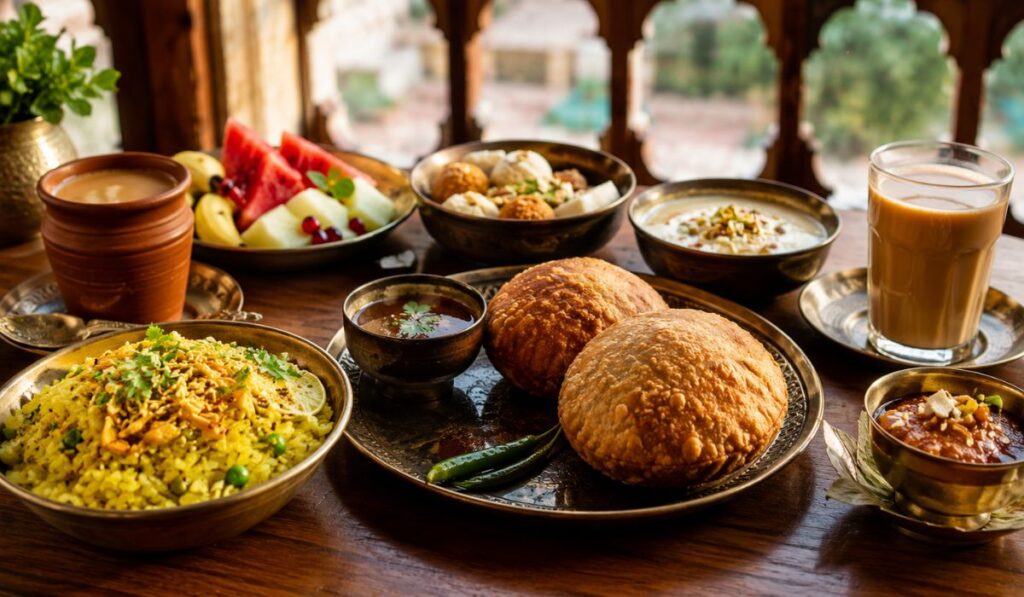
Food: Start with hotel restaurants or well-reviewed mid-range spots. Street food is worth exploring — gradually. Avoid uncooked salads and tap water throughout the trip.
Safety: All three cities are tourist-developed and relatively safe. If you choose not to hire a private vehicle from the travel agent, use app-based taxis (Ola/Uber) rather than hailing auto-rickshaws at night, and trust your instincts, confirm hotel bookings before arrival, and keep a scanned copy of your passport accessible.
Common Mistakes First-Time Visitors Make
- Trying to See Too Much in Too Little Time. Many first-time visitors attempt to cover Delhi, Agra, and Jaipur in just two or three days. A 5–7 day itinerary allows enough time to explore the major attractions without feeling rushed.
- Underestimating Travel Times: Although the distances between the cities look short on a map, sightseeing, traffic, and rest stops all add time. Starting early and avoiding an overloaded schedule makes the journey far more enjoyable.
- Visiting the Taj Mahal at the Wrong Time. The Taj Mahal is at its most beautiful around sunrise, when the light is soft and temperatures are cooler. Midday visits often mean stronger sunlight, larger crowds, and warmer weather.
- Choosing the Wrong Season. Many travelers focus only on finding the cheapest prices. Visiting between October and March generally offers the most comfortable weather for sightseeing, while the hotter summer months require more careful planning.
- Wearing the Wrong Clothing: Lightweight, breathable clothing, comfortable walking shoes, a hat, sunscreen, and a reusable water bottle will make long sightseeing days much more enjoyable.
- Not Booking Popular Attractions and Hotels Early: During the peak season, especially from November to February, the best hotels, experienced guides, and premium tours are often booked well in advance. Planning ahead gives you the widest choice.
- Relying Only on Public Transport: A private car with a professional driver offers the most comfortable and flexible way to explore the Golden Triangle. It saves time, allows convenient stops along the route, and makes the journey far more relaxed.
- Booking Without a Local Expert: Many first-time visitors choose the cheapest tour or book everything separately without understanding distances, opening hours, or the best sightseeing sequence. A well-planned itinerary with a knowledgeable local tour operator helps you avoid unnecessary travel, make the most of your time, and enjoy a smoother, more personalized experience.
- Ignoring Local Customs: Dress modestly when visiting religious sites, remove your shoes where required, and ask permission before photographing people. Small gestures of respect often lead to more meaningful travel experiences.
- Forgetting to Slow Down: The Golden Triangle is about more than checking famous monuments off a list. Leave time to enjoy a cup of chai, browse local markets, watch the sunset from a fort, or simply soak in the atmosphere. These unplanned moments often become the most memorable part of the journey.
Quick Planning Checklist
- Apply for Indian e-Visa at indianvisaonline.gov.in (available for most nationalities)
- Book international flights into Delhi (IATA: DEL)
- Reserve hotels in Delhi, Agra, and Jaipur — 6–8 weeks ahead during peak season (Oct–Feb)
- Book Taj Mahal entry tickets online in advance (asi.payumoney.com)
- Arrange ground transportation: private car, train bookings, or a combination
- Purchase travel insurance with medical evacuation coverage
- Organize Indian Rupees — exchange at the airport or withdraw from an ATM on arrival
- Buy a local SIM card at Delhi airport (Airtel or Jio)
- Download offline maps for Delhi, Agra, and Jaipur (Google Maps works well)
- Save emergency numbers: Police (112), Ambulance (108), Tourist Helpline (1800-111-363)
Frequently Asked Questions
1. Is the Golden Triangle safe for first-time visitors?
Yes. The Delhi–Agra–Jaipur corridor has well-developed tourist infrastructure and is among the safest routes in India for international travelers. Petty scams — overcharging, unsolicited guides, unnecessary shop detours — exist but are easily avoided with basic awareness. Use app-based cabs, book tours through verified operators, and the circuit presents very manageable risk for first-time visitors.
2. Is it suitable for solo travelers?
The Golden Triangle works well for solo travelers, including solo women. Hotels, guesthouses, and tour operators catering to independent travelers are established across all three cities. English is widely spoken in tourist zones, and the volume of other international visitors on the same circuit makes it straightforward to find company if you want it.
3. Which city deserves the most time?
Jaipur. Delhi and Agra can each be covered meaningfully in one to two days. Jaipur, with its fort, palace, bazaars, and surrounding areas, consistently rewards travelers who stay longer. Three nights here versus the standard two makes a noticeable difference to the overall experience.
4. How many days are enough?
Five days covers the highlights at a reasonable pace. Seven days allows you to move slower and fit in Fatehpur Sikri comfortably. Ten days opens options for extensions — Ranthambore National Park, Pushkar, or Orchha are all logical add-ons.
5. Can I travel the circuit by train?
Yes. The Gatimaan Express (Delhi to Agra in under 2 hours) and Shatabdi Express (Delhi to Jaipur in about 4.5 hours) are both comfortable and reliable. Trains are a strong option for specific legs, though a private car for the full circuit — especially the Agra–Jaipur road via Fatehpur Sikri — offers more flexibility.
6. Is English widely spoken?
In tourist areas, yes. Hotels, monument staff, guides, and most restaurants in tourist zones communicate confidently in English. Away from tourist areas, learning a few basic Hindi phrases — shukriya (thank you), kitna hai (how much) — goes a long way and is genuinely appreciated.
7. Do I need to carry cash?
Yes. Cards are accepted at hotels and upscale restaurants, but monument ticket counters, local markets, street food stalls, auto-rickshaws, and smaller shops are predominantly cash-only. ATMs are available throughout all three cities. Keep smaller denomination notes on hand at all times.
8. What is the best time to visit?
October to March, with November and February being the most reliable months. For a full seasonal breakdown with month-by-month conditions, read our guide: Best Time for a Golden Triangle Tour.
9. Is it family-friendly?
Very. The circuit is well-suited to families with children of most ages. The main monuments are accessible, the route is smooth and established, and the variety across three cities holds the attention of younger travelers. Avoid the peak summer months (May–June) with young children — the heat is significant and outdoor monuments are uncomfortable.
10. Can I customize the itinerary?
Yes, easily. Most tour operators offer flexible packages. Common extensions include Fatehpur Sikri (half-day add-on from Agra), Ranthambore National Park (tiger safari, two days), Pushkar (spiritual town, one to two days), and Varanasi (longer extension, three days). The Golden Triangle is commonly used as the foundation for a longer India itinerary.
11. What should I wear?
Lightweight cotton is appropriate for most of the year. At religious sites — temples, mosques, gurudwaras — cover shoulders and knees regardless of the weather. Carry a light scarf or shawl for this purpose. In winter (December–February), early morning visits to outdoor monuments require a warm layer;
12. Should I hire a local guide?
At the major monuments — yes. The historical and architectural depth a knowledgeable guide adds to the Taj Mahal, Amber Fort, and Agra Fort transforms these from great buildings into living history. Costs are modest. Book through a verified operator rather than accepting the services of touts at monument gates.
Conclusion
The Golden Triangle is more than India’s most popular tourist circuit—it’s the perfect introduction to the country’s history, culture, and architectural heritage. Delhi offers a fascinating blend of ancient monuments and modern life, Agra is home to the timeless beauty of the Taj Mahal, and Jaipur captivates visitors with its royal palaces, colorful bazaars, and magnificent forts.
To get the most from your journey, allow enough time to explore each destination at a relaxed pace rather than trying to see everything in a hurry. A well-planned itinerary lets you experience not only the famous landmarks but also the local culture, cuisine, and everyday moments that make a trip truly memorable.
Whether you’re visiting India for the first time or returning to discover more, the Golden Triangle offers an unforgettable travel experience. Plan ahead, choose the right season, and travel with knowledgeable local experts to enjoy a comfortable, seamless, and enriching journey through one of the world’s most remarkable destinations.